
Research Week: Rynagh’s story
Rynagh lives with Alzheimer’s disease and talks about the importance of being involved in dementia research
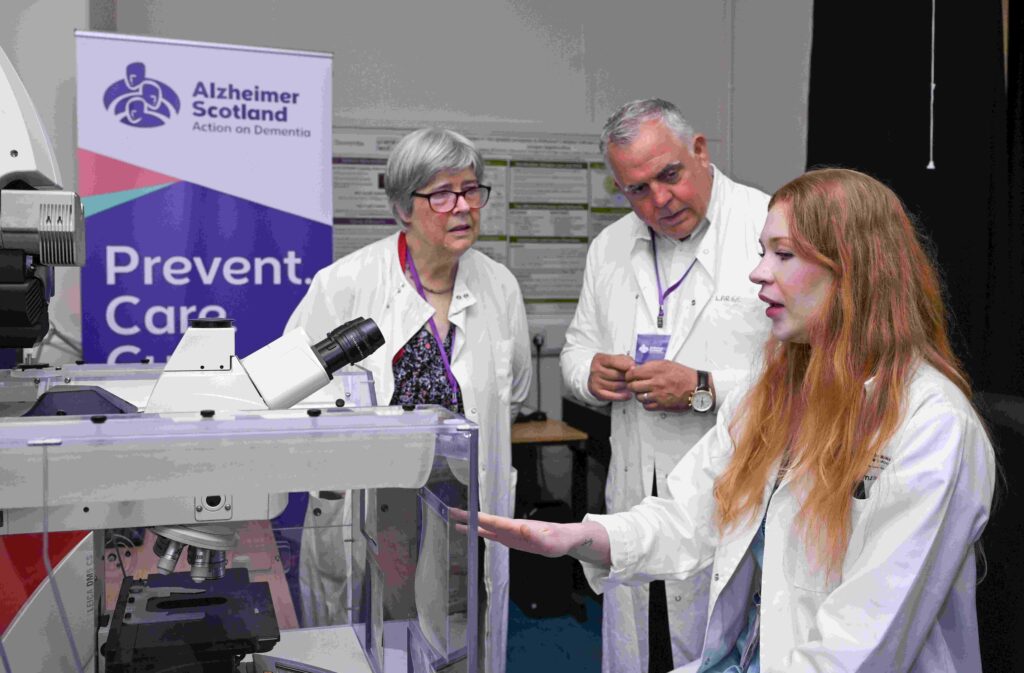
Rynagh’s story:
As someone who lives with Alzheimer’s disease, dementia research is incredibly important and something I’m proud to take part in. It brings me a sense of purpose and hope for the future. I really believe it is going to take research to find a solution.
When I was diagnosed in 2023, I was 67 and still working full time. I’ve had a busy career working in the UK and the US, with roles in IT, publishing and in healthcare management. I’ve always been a proactive person who likes to stay busy and keep my mind active.
Fortunately, I got my diagnosis early, when I was still able to make decisions for myself and to put into place arrangements and future plans that are my preferences.
After I retired, I wasn’t ready to just stop everything. I like working, I like interacting with people, having things to do and feeling productive.
I was lucky to find great support from Alzheimer Scotland, and have become involved in their Scottish Dementia Working Group, pushing for change and advocating for the rights of people with dementia.
I also signed up to Join Dementia Research which has connected me to dozens of studies and projects that could help find a new treatment or even a cure.
It may sound odd but having Alzheimer’s has given me a retirement package of activity and opportunity. Through my work with Alzheimer Scotland and with dementia research, I get to talk at conferences across Europe, to meet people, and to feel positive about doing something of use.
I’m happy to take part in all kinds of research. Press this or that button now, fill in questionnaires, go for tests at the Scottish Brain Sciences research centre in Edinburgh, or help university students with their research project.
It’s all good work and you never know what will turn out to be effective. I’ve also benefited directly from being engaged. I’ve received medical support that’s discovered things and led to my medications being improved. It’s a win-win situation.
To anyone who is interested in taking part in dementia research, whether they have a diagnosis or not, then I’d encourage them to find out more about it. You can be as involved as you want to and there are a lot of different opportunities available.
The more people take part in research, the better chance we have of making breakthroughs in new tests, treatments and eventually finding a cure.
Find out more about how to get involved in research – Participating in dementia research