
Getting a diagnosis
Learn more about getting a dementia diagnosis.
When to get a diagnosis
It is natural to worry about changes in ourselves, particularly as we get older, but it is important not to make assumptions.
One of the more common symptoms of dementia is memory loss, but experiencing forgetfulness does not mean you have dementia.
However, if you are experiencing symptoms of dementia, it is very important to be assessed by a doctor. Getting an early diagnosis has many benefits such as earlier access to treatments and medication, person-centred care, advice and support. This allows anyone diagnosed with dementia, and the people close to them, to prepare for the future.
How is dementia diagnosed?
A dementia diagnosis will involve a comprehensive assessment to determine whether you have dementia and, if you do, the type of dementia you have and how far it has progressed.
Here’s an overview of what to expect:
Initial evaluation:
Your doctor will ask you about your symptoms and how long you have been experiencing them. There will also be a discussion of your medical history and any family history of dementia. Your doctor may also want to discuss any lifestyle factors that could impact your cognitive ability.
Download: Getting help from your doctor, important points to consider
Cognitive tests:
This involves tests to establish the extent of any memory loss, language difficulty, impaired reasoning, behavioural changes, or decline in daily functioning that you are experiencing. Well known cognitive tests for dementia include the Mini-Mental State Examination (MMSE) and Montreal Cognitive Assessment (MoCA).
Physical examination:
This can involve a neurological exam and tests to evaluate your reflexes, coordination, balance, and sensory functions. This is to rule out any other neurological causes for your symptoms. Your blood pressure and heart rate may also be examined to identify potential contributors like stroke or cardiovascular issues. These can cause cognitive decline on their own but can also be associated with vascular dementia. A CT or MRI brain scan may be taken to identify brain abnormalities like strokes, tumours, or brain atrophy that could explain cognitive symptoms. Brain scans can also show amyloid plaques, a sign of Alzheimer’s disease. Blood tests may also be taken to identify or rule out any other causes of cognitive decline such as vitamin deficiencies, thyroid problems, infections or metabolic issues like diabetes.
Post diagnosis:
If you are diagnosed with dementia, you will be informed of the type of dementia (e.g. Alzheimer’s disease, vascular dementia, Lewy body dementia) and follow-up appointments will be set up to discuss medications, therapy and support.
The benefits of early diagnosis
In some cases, an early diagnosis can also mean that the progress of symptoms can be slowed down, allowing you to live well with dementia and maintain your cognitive function for longer.
Diagnosing the type of dementia is also important as it ensures the correct treatments or medications are prescribed.
A timely diagnosis can help you to come to terms with the illness, make plans for the future, and access support and services that can help.
Frequently asked questions
-
Is there a test for dementia?
There is no single test for dementia, but there are a series of tests, ranging from simple screenings to detailed evaluations that your doctor can perform or refer you to. These tests are designed to assess cognitive function, rule out any other cause of your symptoms, and, if it is dementia, identify which type.
-
Is there a signs of dementia checklist?
There are checklists available to help identify dementia, but it is important to remember these are not definitive diagnostic tools. That said, dementia checklists can be worth looking at if you are worried about dementia and want to know if you should make an appointment with your doctor.
We would recommend talking to your doctor if you are experiencing anything on the dementia checklist below:
- memory problems such as forgetting names or recent events
trouble completing familiar tasks such as cooking or using appliances - struggling to find the right words or phrases
- disorientation such as getting lost in familiar places
- changes in mood, personality or behaviour
- struggling with tasks involving numbers
- difficulty judging distances or navigating stairs
- issues with recognising objects and how they relate to each other
- sleep disturbances or restlessness at night
- decreased interest in work, hobbies, or socialising
- difficulty starting tasks or projects without prompting
- memory problems such as forgetting names or recent events
Next steps
Read more
Newly diagnosed
What are the next steps after receiving a dementia diagnosis
Read more
Living with dementia
Help and advice for living well with dementia
Contact us
Contact us
Contact Alzheimer Scotland using our online contact form or by phone
Brain Health & Dementia Resource Centres
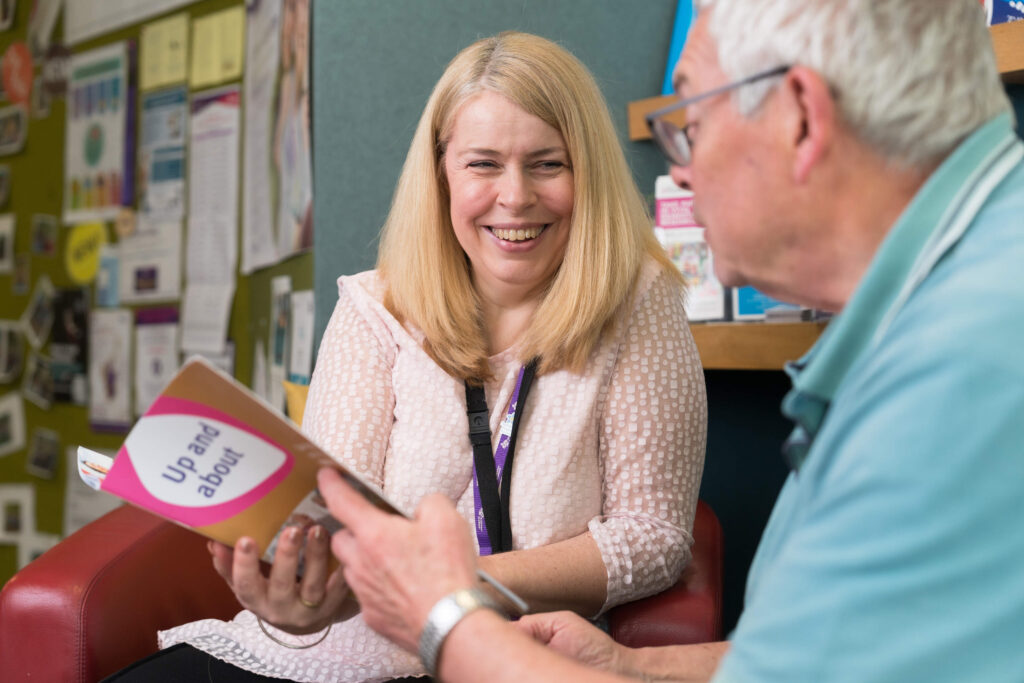
Alzheimer Scotland’s Brain Health & Dementia Resource Centres offer friendly, accessible environments for everyone to enjoy. Our Centres are designed to be dementia friendly and create a sense of homeliness which we know is important in helping everyone to feel at ease. Each Centre is also a base for our wide range of local groups and activities.