
World Alzheimer’s Month: Rynagh’s story
Rynagh lives with Alzheimer’s disease and describes how important early diagnosis is in planning for the future, and in fighting stigma
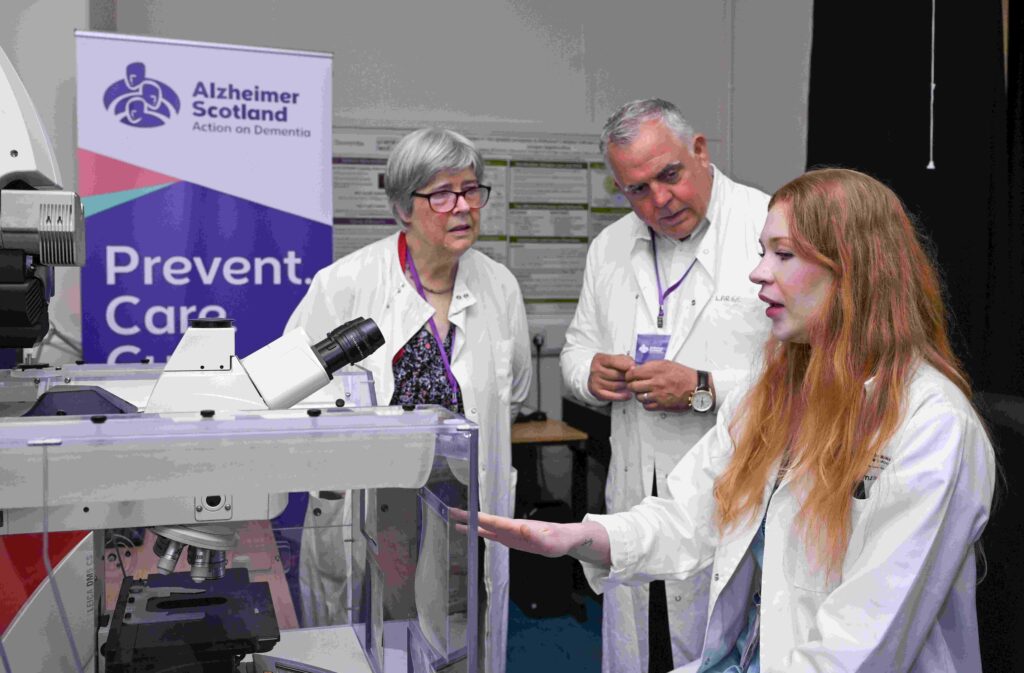
Rynagh’s story
Getting an early diagnosis of dementia has made a massive difference to my life, both now and for the future.
When I was told I had Alzheimer’s disease in 2023, I was 67 and still working. I was doing well, but my boss noticed I was forgetting things and struggling to manage longer-term projects.
After months of tests, the diagnosis came as a huge shock, even though I’d been expecting it. But finally I knew what was going on and why my brain wasn’t working the way it used to.
It also meant I could start planning ahead, modify certain behaviours and expectations, and just go a bit easier on myself.
Some people question the value of an early dementia diagnosis because there’s currently no cure. But for me, it is crucial to get a diagnosis while you still have agency, and are still able to make decisions for yourself.
I have been able to put into place arrangements and future plans that are my preferences as opposed to a guardian’s preferences. I can fight my own corner and insist on things that suit me, not what is most convenient to someone else.
I think early diagnosis is the answer to so many of the issues we are facing around dementia.
It can help fight stigma too. The more people there are walking around who can say, I have dementia, but I’m still the same person, then all the better. I might forget your name, but please understand it’s not intended. Just to have those conversations is vital and can help take away some of the fear and myths.
I have been lucky to find great support from Alzheimer Scotland, and have become involved in their Scottish Dementia Working Group, pushing for change and advocating for the rights of people with dementia.
I’ve spoken at conferences and events around the UK and Europe and have had the privilege of speaking to so many people. It helps me feel positive and that I’m doing something productive.
I also signed up to Join Dementia Research which has connected me to dozens of studies and projects that could help find a new treatment or even a cure. That’s so important to me because it’s going to take research to find a solution.
Right now I am living well with dementia – thanks in large part to getting an early diagnosis. But there are people waiting years for a diagnosis which is just not acceptable.
We need urgent change to make sure everyone affected by dementia has the same opportunities to live as well as they can for as long as they can, and to take control of their own future.