
Better Care, full stop
Stuart describes the huge difference that a positive diagnosis experience and continuing support has made to his life, and believes everyone affected by dementia must get the help they need
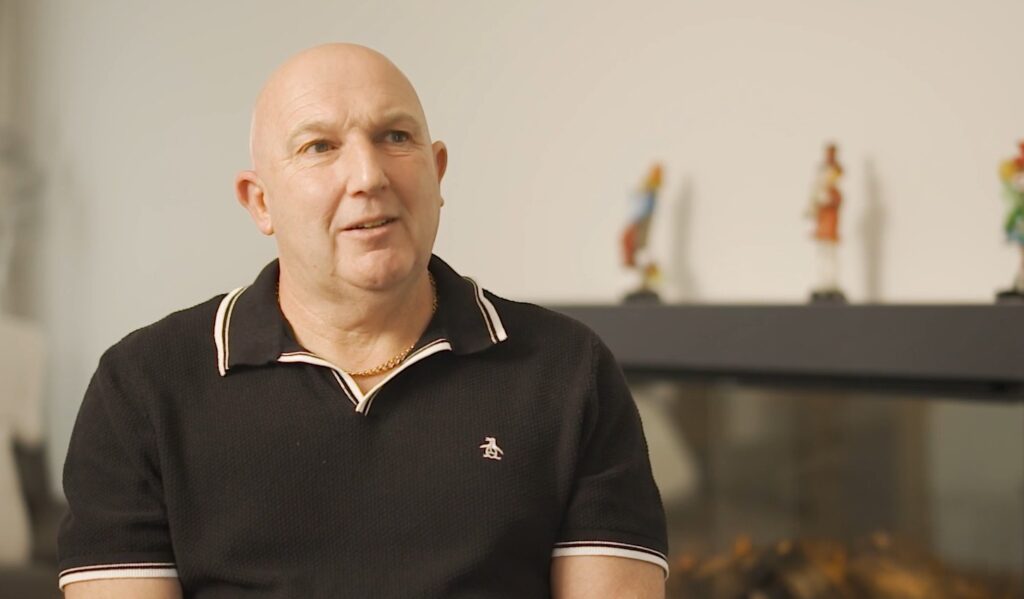
Stuart’s story:
If it’s possible to have such a thing as a good dementia diagnosis, then that’s how I would describe my experience.
I went to the doctor after noticing things at work. I’d take a phone call and then not remember who I’d spoken with, and struggled with tasks that I’d previously found routine. I also started having severe headaches and eventually my wife Lorraine made an appointment for me.
Overall, it took around seven months to get my diagnosis of young onset Alzheimer’s disease. Although it sounds like a long time, it’s actually quite quick as many people wait years to be diagnosed.
When I heard that news four years ago, I had mixed emotions. On one hand, I was only 58 and felt like my life was over, but on the other I was relieved because I now understood what was wrong. My doctor was tremendous and explained everything. He showed me scans and talked me through the part of my brain that is affected.
Then he gave me a pep talk. I wrote it down and still refer to it to this day. He said, “You must have a focus. You must have a routine. You must keep motivating yourself. You must still try to do things that you struggle with. Go out and live your life.”
If it hadn’t been for that doctor, I think I would have found it hard to move on as quickly as I did.
The sooner you can get a diagnosis the sooner you can come to terms with what’s happening to you and the sooner you can get care and support that might help slow the progression of your condition.
Why can’t the positive diagnosis experience that I had be available to everyone with dementia? It only takes an extra five or 10 minutes of a doctor’s time, but it lasts a lifetime with us.
Due to the lack of signposting, it can be difficult to find the support you need after a diagnosis. I was very fortunate to have found Alzheimer Scotland who were a fantastic source of information and support. I became involved with their campaigning group, the Scottish Dementia Working Group, and that has been transformational for me. It’s given me back a focus and a purpose.
But right now, the care and support for people with dementia is a postcode lottery and can vary massively across the country.
We need to keep the pressure on politicians and keep pushing for a more structured, consistent approach, so that everyone living with dementia gets the care and support they need, no matter where in Scotland you live.