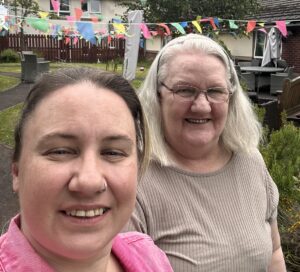
How a diagnosis changed us
Tracy describes the impact on her family when mum Anne was diagnosed with dementia in her 50s
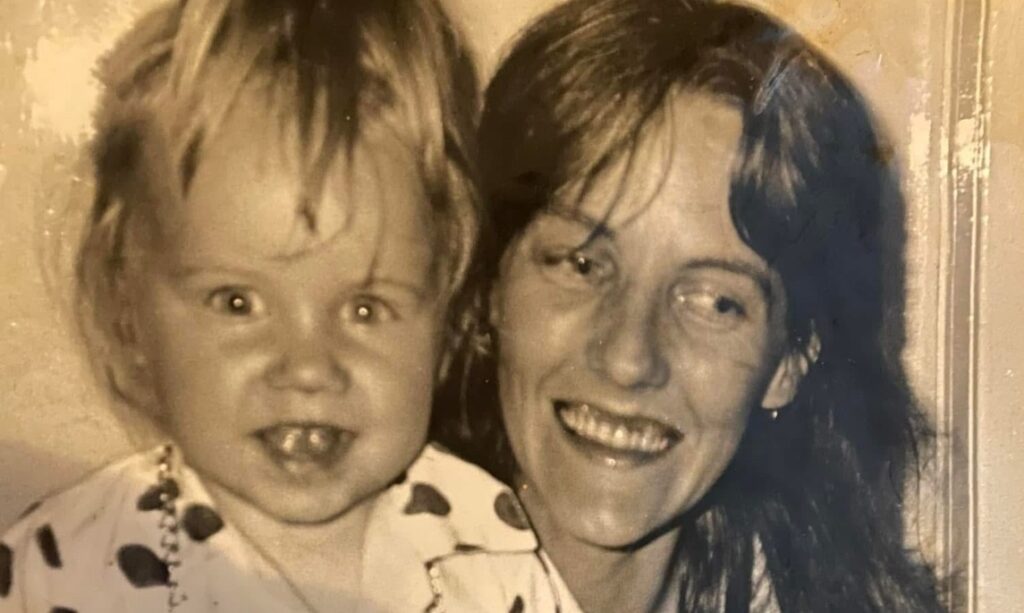
Tracy’s story
Before my mum Anne’s diagnosis, I thought dementia was something that only happened to older people. None of us could have ever imagined mum would be affected so young.
Growing up, mum was always a strong, outgoing person. She was fierce – a protector. Times could be tough, but we always had each other.
I’m 35 now and a mum of three boys. I had my first aged just 17, but mum was there for me every step of the way, and throughout each of my pregnancies. The bond between us is so strong. She was and still is my best friend who always has my back.
She’s a funny, kind person. A devoted gran who loved seeing her friends, playing bingo and would always look out for others.
In 2015, my dad died suddenly and I don’t think my mum was ever the same again. She was lost without him. I supported her and my brother the best I could, but her behaviour began to change. She became more timid, easily upset and often fearful.
At first we thought it was depression but as things got worse we knew it was something more. It took a long time, but mum was eventually diagnosed with frontotemporal dementia in 2020, aged just 58. It was such a shock and hit the family hard.
We brought in carers and supported mum to live at home for as long as we could but her health seemed to decline rapidly.
I’ve previously worked in healthcare and my experience in caring for mum and other family inspired me to take my career further and to start a university nursing course. It’s been great, but it was also a real challenge juggling my studies with caring for my three young boys and helping mum.
When mum started experiencing hallucinations, then locking herself in the house, we knew she could only be safe in full time residential care. It broke my heart but she is so well looked after and it really is the best place for her.
Frontotemporal dementia isn’t as common, but I would say to anyone else who has concerns about a loved one to listen to your instinct and contact your GP as early as possible.
Mum’s 64 and has been in a home almost five years. I visit her as often as I can. She’s quiet now so I do most of the talking. And while it’s tough to see the changes each time I see her, we still laugh and I cherish every moment with her.